
Minneapolis Local
Storm Damage Repair in Minneapolis
Emergency tarping, water extraction, and full structural repairs from a local team with 20+ years of Twin Cities experience.
Request an estimate
Tell us what you need
“911 Restoration came over on Friday evening and worked until early am for loss and mitigation due to a water issue. …”
- 45 minTypical arrival
- IICRCCertified technicians
- 20+ yrsAcross the metro
- ClaimsInsurance paperwork handled
Minneapolis Storm Damage Repair: What to Expect
Storm damage repair in Minneapolis is what 911 Restoration handles every season, from hail cores in August to wind events that down trees across the north metro overnight. If a storm just hit your home, call (612) 845-7822 now. Our IICRC-certified crew can be on-site within 45 minutes across a large portion of the metro, and the first thing we do protects your insurance claim, not just the structure: photos, moisture readings, and a written damage scope before a single shingle gets touched.
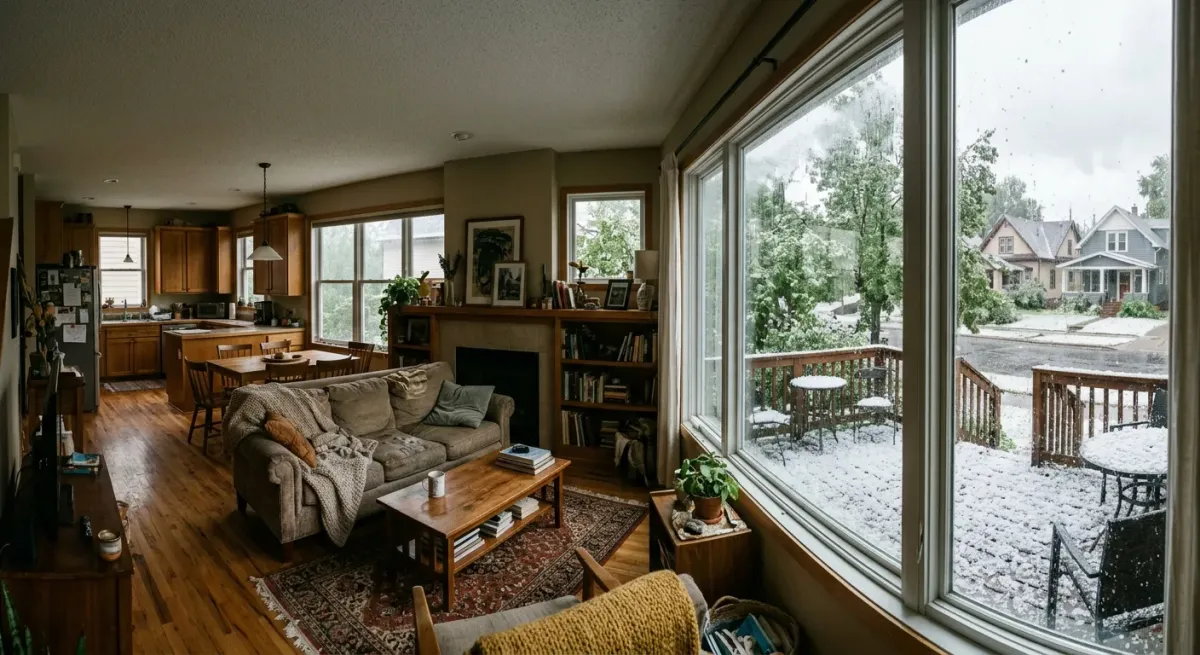
The scope of storm damage repair in Minneapolis depends on how the storm got in. A hail event that cracks shingles may not show interior water staining for three or four days, because the water migrates through the sheathing and into wall cavities before it surfaces. Wind damage opens gaps around windows and soffits that let in rain even on clear days afterward. Basement flooding from a flash event is a separate path entirely, often requiring water damage extraction before any structural work can start. Drying typically runs 3 to 5 days using calibrated equipment, monitored daily with moisture meters to hit verified targets, and repairs follow once the structure is dry. Every job is different, contact 911 Restoration of Minneapolis for an accurate estimate.
Local History
The Storms That Hit Minneapolis Properties
Three storm types drive most of our calls, and each one creates damage that looks different on the inside.
Hail
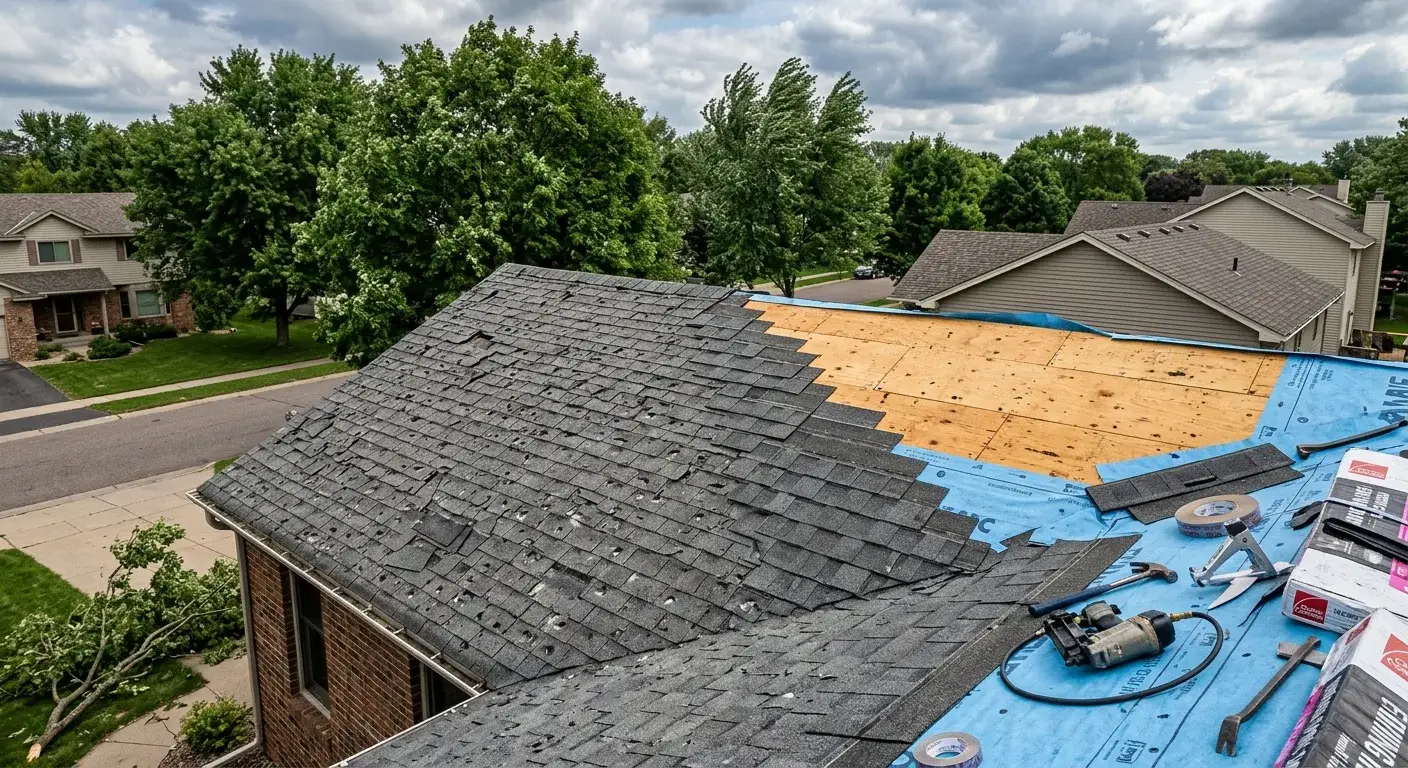
On August 5, 2019, a hail core one to three miles wide damaged cars, windows, roofs, and siding across the western, northwestern, northern, and northeastern Twin Cities suburbs, according to the Minnesota Department of Natural Resources. Hail cracks shingles and fractures the granule layer without always punching through, but the roof is open. Rain follows days later, and by the time a ceiling stain appears, the attic decking may already be saturated.
Straight-Line Wind and Falling Trees
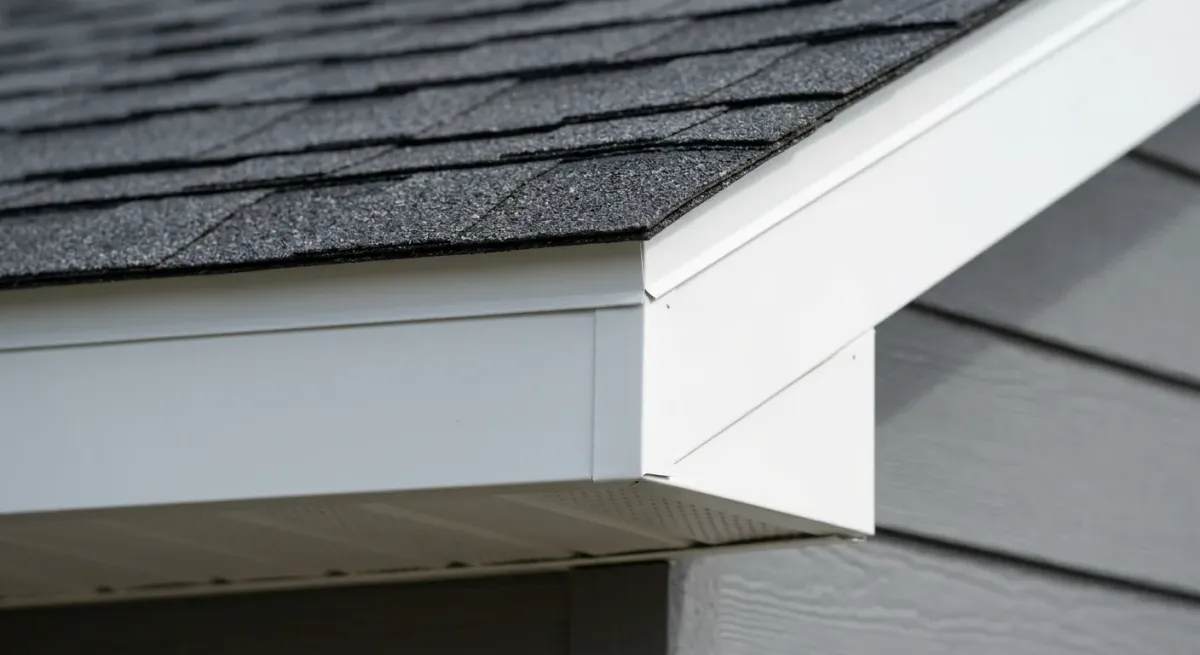
On July 28, 2025, the National Weather Service in the Twin Cities reported 60 to 70 mph wind gusts across the metro, with trees down and widespread power outages. A tree through a roof needs emergency tarping and water extraction before any repair work starts. Wind also lifts soffits and ridge caps silently, leaving gaps that only show up when the next rain hits.
Tornadoes and Flash Flooding
Tornadoes have touched down in Anoka County, and heavy rain can overwhelm sump pumps and storm drains in low-lying neighborhoods near the Mississippi. A single event often causes roof penetration and basement flooding at the same time. When that happens, we're managing sewage cleanup risks alongside structural drying, because floodwater that backs through a floor drain is not clean water.
Ice Dams and Freeze-Thaw Cycles
Minnesota's freeze-thaw cycles complicate storm damage assessment in ways that don't apply in most other markets. Ice dams form when warm attic air melts rooftop snow that then refreezes at the cold eaves, and the pooled water backs up under shingles. Damage may not appear until spring thaw, which means the timeline between the storm event and visible water damage can be weeks, not hours. We document the ice dam pattern for your adjuster alongside interior readings.
Our Process
How We Handle Storm Damage Restoration
Secure and Document
We tarp roofs, board up broken windows and doors, and remove debris that threatens the structure. Simultaneously, we photograph every affected area and record moisture meter and thermal imaging readings for your insurance adjuster. The documentation comes first, before any material is moved.
Extract and Dry
We extract standing water, map moisture through walls and subfloors, and set industrial drying equipment to calibrated targets. Crews return daily to take readings, adjust equipment, and verify progress. Drying typically runs 3 to 5 days. We don't pull equipment early to save a day on the schedule.
Repair and Restore
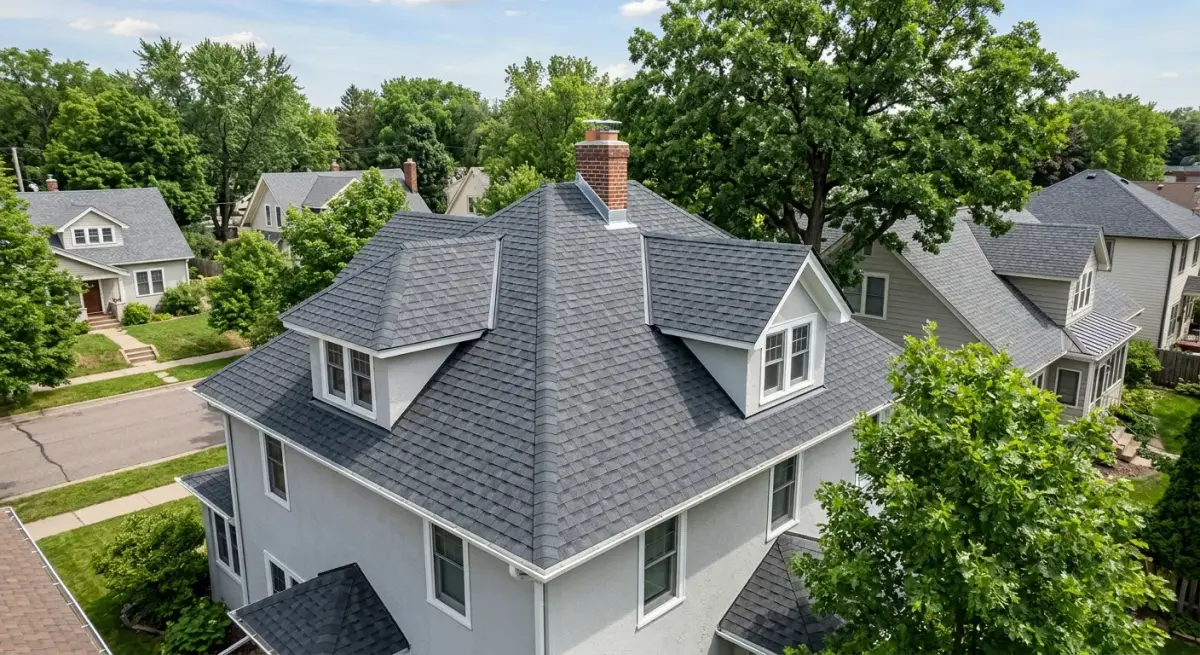
Once the structure hits verified dry targets, our own crews handle roofs, walls, ceilings, and floors. We don't subcontract the repair phase to a separate contractor. The same team that extracted the water knows exactly what was wet, for how long, and to what depth, and that informs every repair decision.
Warning Signs
Signs Your Home Needs Immediate Storm Assessment
Stay away from downed power lines and don't enter a flooded basement until the power is confirmed off.
Missing or lifted shingles, or a tree limb on the roof
Water stains on ceilings after wind-driven rain
Broken windows, doors, or siding after wind or hail
Water in the basement after a flash flood
A musty smell in the attic in the weeks after a storm
Ice dams with interior water staining near the roofline
What should I do immediately after storm damage to my Minneapolis home?
How does storm damage differ from regular water damage restoration?
How do Minnesota's freeze-thaw cycles affect storm damage assessment?
How long does structural drying take after storm damage?
Will homeowners insurance cover storm damage repair in Minneapolis?
What is the difference between tarping and board-up, and when does my home need each?
Can storm water exposure lead to mold growth, and how quickly?
What We Restore After a Storm
Our own crews handle every phase, from emergency tarping through finished repairs.
Roofs and Attics
Wind and hail damage to shingles, decking, ridge caps, soffits, and attic insulation. Emergency tarping same day, permanent repair once documented and dry.
Walls, Ceilings, and Drywall
Wind-driven rain and ice dam water that saturates wall cavities and ceiling assemblies. We remove only what's necessary based on moisture readings, not a standard demo scope.
Basements and Foundation Areas
Flash flood intrusion, sump pump failure, and storm drain backflow. Extraction, drying, and sanitization, connected to our sanitization services when contaminated water is involved.
Windows, Doors, Siding, and Commercial Structures
Board-up, debris removal, and permanent repair to exterior envelope components. For commercial properties, see our commercial restoration services, we work around business hours where possible to limit downtime.
Insurance
Direct Insurance Coordination on Storm Claims
Why IICRC Certification Changes the Work
Not every contractor who shows up after a storm has certified training. Here's what it means when ours do.
- WRT (Water Damage Restoration Technician)
- Governs extraction and drying protocols
- ASD (Applied Structural Drying)
- Calibrated equipment placement and monitoring
- AMRT (Applied Microbial Remediation Technician)
- Mold risk assessment and remediation after water exposure
- OCT (Odor Control Technician)
- Post-storm odor causes and treatment, not just masking
In the field
A look at our work

Get a Storm Damage Assessment Today
4.8 stars across 124 Google reviews. Zach Dullinger's direct line is the business line.
Related
Next step
Tell us about the job
Your name, your number and what needs doing. A person from 911 Restoration of Minneapolis gets back to you.
Rather talk now?(612) 845-7822