
Owner-operated · Zach Dullinger Minneapolis (612) 845-7822
911 Restoration of Minneapolis

Minneapolis Local

Mold Removal in Minneapolis

AMRT-certified technicians who find the source, contain the spread, and restore what mold damaged.
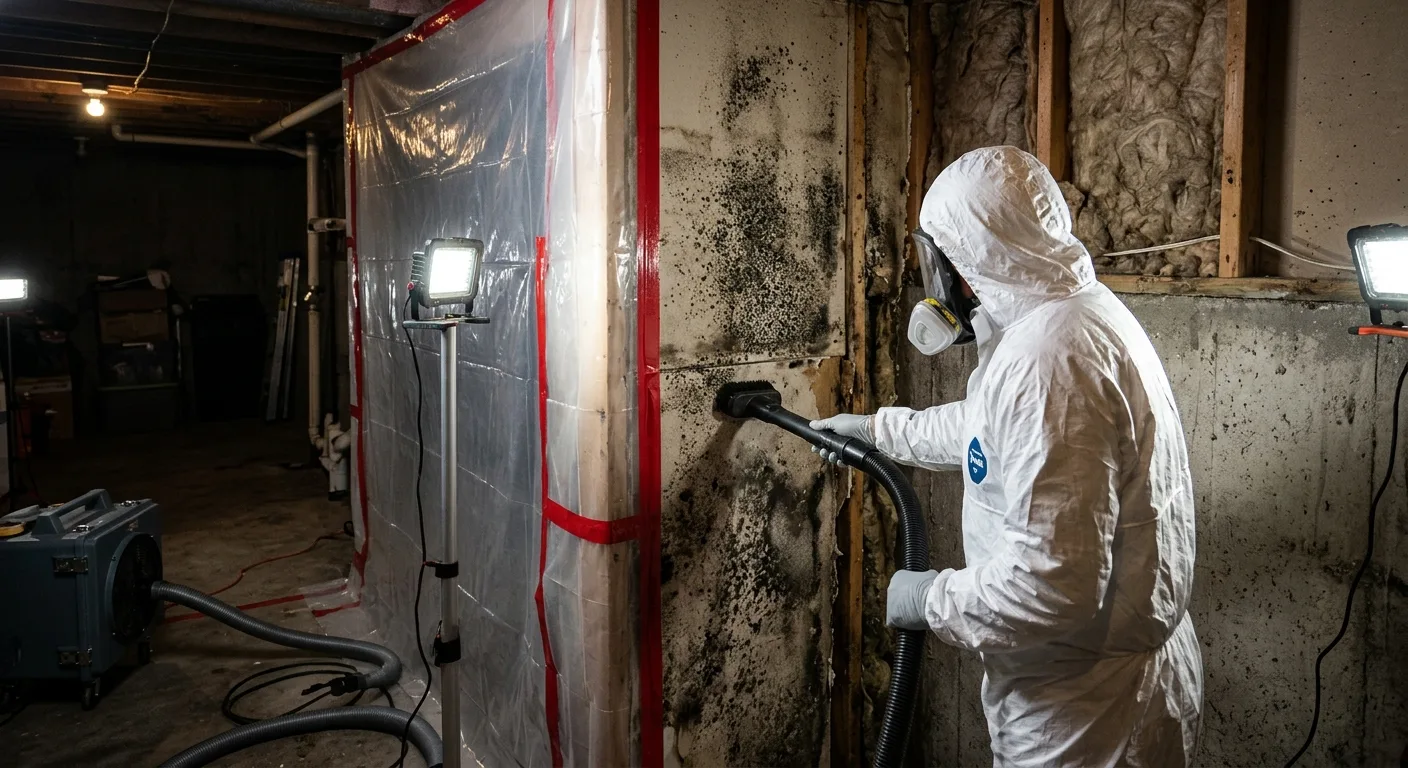
Mold Removal in Minneapolis

Request an estimate

Tell us what you need

No obligation


By submitting this form you agree that we may contact you about your request and share your name and email address with partner companies for email marketing. We never share your mobile number or text message consent with third parties or affiliates for marketing or promotional purposes.

“Zach did a great job for us. He was always on time, efficient, and professional. …”
Nicole W. · Google review
  • 45 minTypical arrival
  • IICRCCertified technicians
  • 20+ yrsAcross the metro
  • ClaimsInsurance paperwork handled

Minneapolis Mold Removal From Source to Clearance

911 Restoration of Minneapolis handles mold removal and remediation across Minneapolis and the surrounding metro, from finished basements in Bloomington to crawl spaces in Maple Grove. If you're seeing dark spots on drywall, smelling something earthy in a closet, or dealing with the aftermath of a water event that wasn't fully dried, call (612) 845-7822 now. Mold begins growing within 24 to 48 hours of a moisture event, and disturbing it before containment is in place spreads spores to areas that were previously clean.

Mold remediation is not the same as scrubbing visible growth with bleach. Professional remediation means finding the moisture source, containing the work area with plastic barriers and negative air pressure, removing affected porous materials, HEPA vacuuming and antimicrobial treatment of surfaces, and drying the structure to verified moisture readings before anything is rebuilt. The scope on any given job depends on how large the affected area is, which materials are involved, and whether the moisture source is still active. A small, contained bathroom situation can be resolved in a day or two. A finished basement with mold behind paneling and under subfloor is a different conversation entirely. Every job is different -- contact 911 Restoration of Minneapolis for an accurate estimate.

Why Minneapolis

Why Mold Grows Here More Than Most Cities

Minneapolis freeze-thaw cycles, aging housing stock, and long winters create near-perfect mold conditions.

Finished Basement Seepage

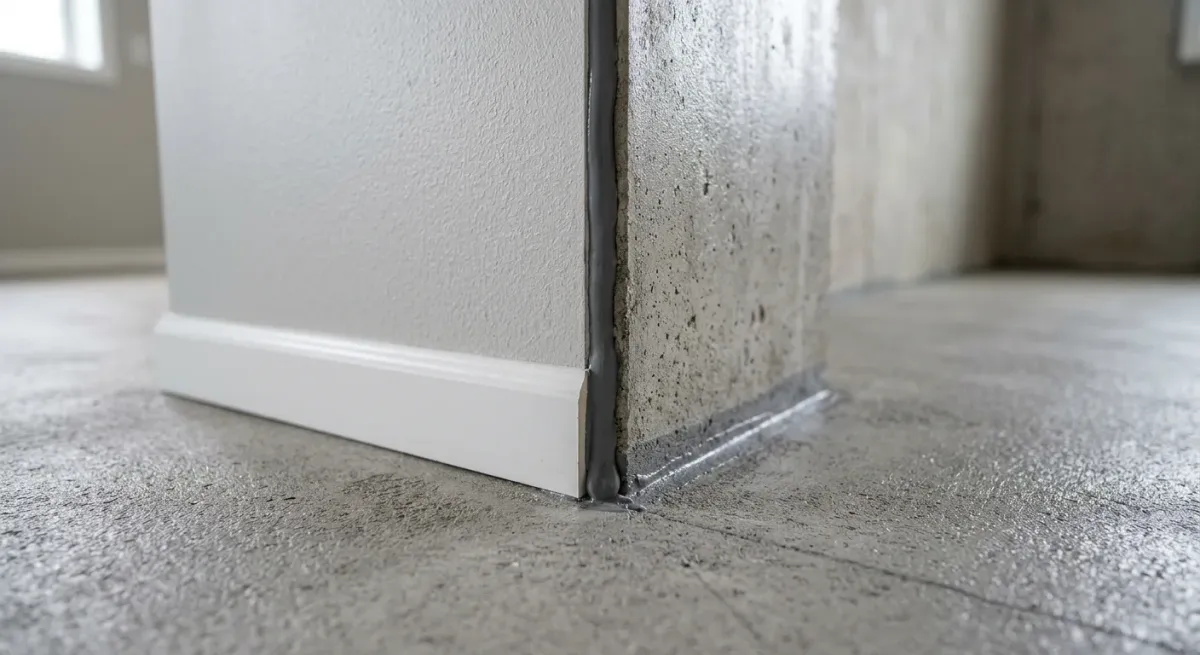
Snowmelt in March and April pushes groundwater against foundations that have been contracting and expanding all winter. Drywall, carpet, and framing stay damp long after the floor looks dry. Mold can establish behind paneling or under flooring within two days in a closed, humid basement.

Older Housing Stock

Homes built in Minneapolis between the 1940s and 1970s -- common in neighborhoods like Longfellow, Powderhorn, and North Minneapolis -- have aging pipe seals, original basement waterproofing, and crawl space details that were never designed to handle modern humidity loads. Small leaks go unnoticed for months.

Freeze-Thaw Window Condensation

When outdoor temps swing 40 degrees between morning and afternoon -- which happens routinely from October through April -- condensation collects on single-pane windows, pipes, and uninsulated foundation walls. That moisture feeds mold on framing and drywall nearby, sometimes without any visible water source.

Minnehaha Creek and River Corridors

Homes near Minnehaha Creek and the Mississippi River floodplain deal with higher ambient groundwater and periodic basement intrusion that homeowners in other neighborhoods don't see. That recurring moisture creates conditions where mold returns even after surface cleaning, because the source was never addressed.

Ice Dams and Attic Mold

When ice dams form at the eaves and meltwater backs up under shingles, water enters the attic and saturates insulation and roof sheathing. Attic mold is one of the most overlooked mold problems in Minnesota -- the space stays dark, warm, and unventilated, and no one opens the hatch until they're selling the house.

HVAC-Distributed Spores

In a cold climate, forced-air heating runs almost constantly from October through April. If mold is growing near a return air duct or in an HVAC component, spores circulate through every room in the house. That's why a musty smell that seems to come from everywhere often points to a single source near the air handler.

Our Process

How We Handle Mold Remediation Step by Step

  1. Inspect and Contain

    We use moisture meters and thermal imaging to map the full extent of growth and locate the water source. Then we seal the area with plastic barriers and establish negative air pressure so spores cannot travel to clean parts of the home during removal.

  2. Remove, Clean, and Treat

    Porous materials like drywall, insulation, and carpet pad that test positive for mold get removed. Hard surfaces are HEPA vacuumed and cleaned with antimicrobial treatment. We don't leave affected material in the wall and call it done.

  3. Dry, Verify, and Clear

    We dry the structure to documented moisture targets, verify with readings, and confirm the original moisture source is corrected before any rebuilding begins. If the source isn't fixed, the mold comes back -- full stop.

Warning Signs That Warrant a Call

Don't scrub, spray, or disturb visible mold -- that releases spores into the air and spreads the problem.

Keep the door to the affected area closed. Run a dehumidifier if you have one, stop any active leak you can identify, and call (612) 845-7822 for an assessment. Here's what we hear most often before people call:
  • A musty or earthy odor in a basement, closet, or crawl space
  • Dark spots or fuzzy growth on drywall, wood, or ceiling tiles
  • Peeling paint or bubbling wallpaper on exterior or basement walls
  • Condensation on windows, pipes, or foundation walls -- regularly, not just on cold mornings
  • Stored boxes or furniture in the basement that feel damp to the touch
  • Allergy-like symptoms that improve noticeably when you leave the house
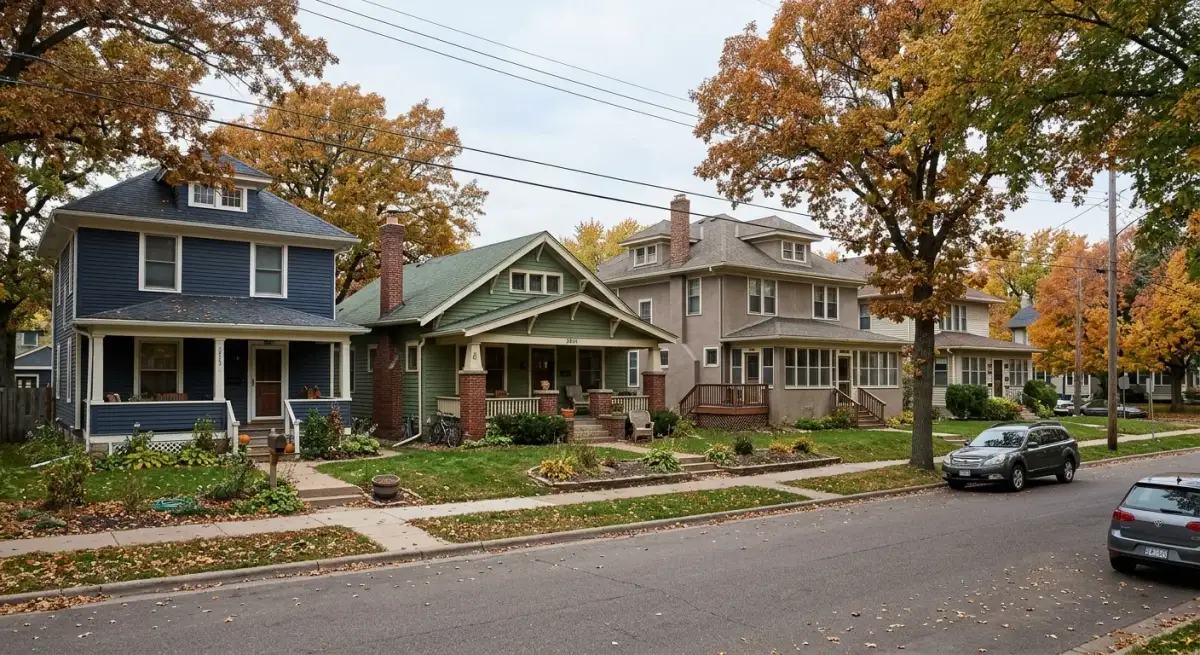
older housing stock work, professional service in Minneapolis, MN

What We Remove and What We Restore

Structural Materials

Drywall, insulation, subfloors, framing, sill plates, and roof sheathing -- the materials mold colonizes fastest and that can't be surface-cleaned once growth penetrates the material.

Below-Grade Spaces

Finished basements, crawl spaces, and unfinished storage areas -- the spaces that stay damp longest after a water event and get checked last.

Mechanical and Wet Areas

Bathrooms, kitchens, HVAC components, and utility rooms where moisture is a regular presence and ventilation is often insufficient.

Contents and Attic Spaces

Furniture, boxes, and stored items in damp areas, plus attic sheathing and insulation affected by ice dam intrusion or condensation buildup.

The MDH Position on Testing -- and What It Means for You
The Minnesota Department of Health states that neither the state nor any federal agency licenses or certifies mold investigators or remediators. That's the honest truth about this industry, and it means you need to ask the right questions before hiring anyone. Ask about IICRC certification specifically -- it's the training standard that actually matters. Our technicians hold AMRT (Applied Microbial Remediation Technician) and ASD (Applied Structural Drying) certifications, which are the credentials designed for exactly this work. The MDH also does not recommend mold testing in most situations. Visible growth or a persistent musty smell is enough to warrant remediation, regardless of what a lab sample says. Testing delays remediation and adds cost without changing the protocol. What matters is finding the moisture source, containing the work area, and removing affected material. Post-remediation clearance testing is different -- that's the air quality verification after work is complete, confirming spore counts have returned to normal levels. We explain both to every customer before work begins. For mold that follows a covered water damage event, we provide Direct Insurance Coordination: photos, moisture readings, and a written scope for your adjuster. Many policies limit or exclude mold from long-term leaks, humidity, or neglect -- check your policy and ask your carrier specifically how mold is classified before work begins.
finished basement seepage work, professional service in Minneapolis, MN

Certifications That Translate to Better Outcomes

Zach Dullinger and the 911 Restoration of Minneapolis team hold IICRC certifications that are specific to mold and moisture work -- not just general contracting credentials.

124 Google reviews, 4.8 stars. Owner Zach Dullinger on every significant job.
AMRT Certified
Applied Microbial Remediation Technician -- the IICRC's specific credential for mold and microbial work
ASD Certified
Applied Structural Drying -- ensures the structure reaches verified dry targets, not just surface dry
WRT Certified
Water Damage Restoration Technician -- because mold without addressing the water source always returns
Direct Insurance Coordination
Photos, moisture readings, and written scope submitted directly to your adjuster
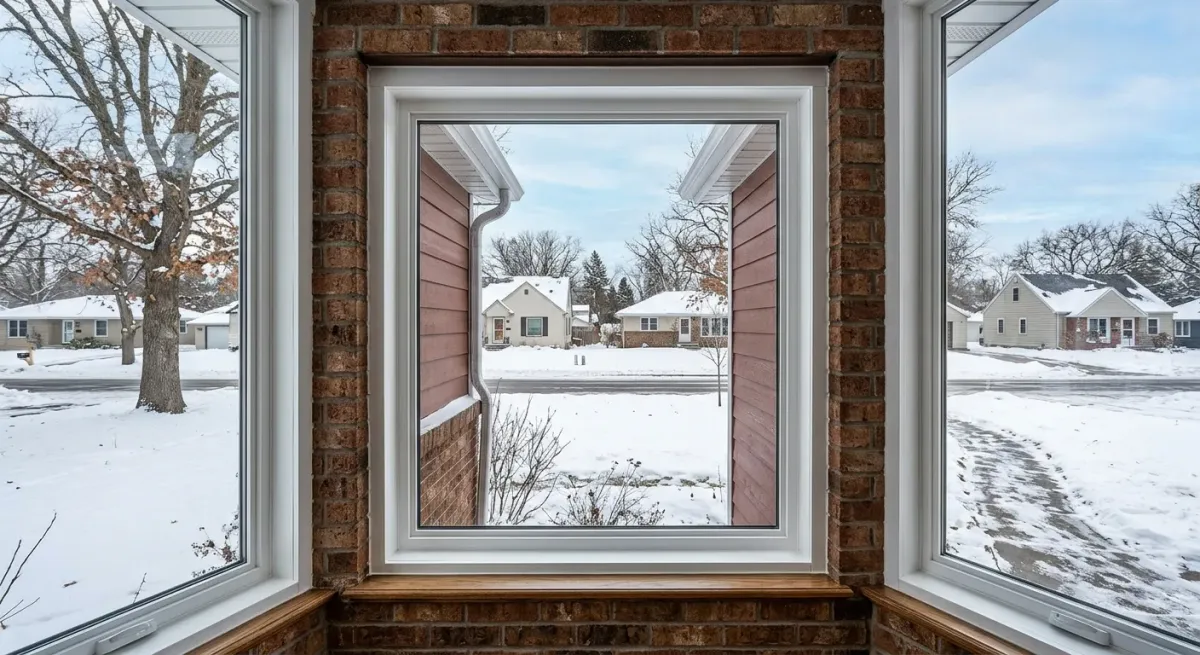
freeze thaw window condensation work, professional service in Minneapolis, MN

Common Mold Remediation Questions

Question not on the list?

Ask Zach directly. No call center, no script.

(612) 845-7822
What should I do the moment I find mold in my home?
Close off the area -- shut the door, close vents if you can, and don't disturb the growth. Scrubbing or spraying mold with bleach releases spores into the air and spreads contamination to areas that were previously clean. Stop any active leak you can identify, run a dehumidifier if you have one, and call (612) 845-7822. We'll ask about the area, the odor, and any recent water events, and schedule an assessment.
Do I need a mold test before remediation starts?
Usually not. The Minnesota Department of Health doesn't recommend testing in most situations. Visible growth or a musty odor is sufficient evidence that the moisture source needs to be identified and the material removed. Testing adds time and cost without changing the remediation protocol. Post-remediation clearance testing -- verifying that spore counts are back to normal after work is complete -- is a different matter and is appropriate in many cases.
What's the difference between mold inspection, testing, and remediation?
Inspection means physically locating growth and the moisture source, using tools like moisture meters and thermal imaging. Testing means sending air or surface samples to a lab to identify spore types and concentrations -- useful in limited situations, but not a prerequisite to remediation. Remediation is the actual removal of affected material, containment, cleaning, and drying. Most homeowners need inspection and remediation. Testing is occasionally warranted, but the MDH doesn't lead with it.
How long does professional mold remediation take in a Minneapolis home?
A small, contained area -- a bathroom, a section of drywall -- can often be resolved in one to two days. A finished basement with mold behind paneling, under subfloor, or in framing is typically three to five days or more, depending on drying conditions and whether the moisture source required repair before drying could begin. We map the affected area and give you a specific scope and timeline before work starts.
Is mold removal covered by homeowners insurance?
It depends on the cause. Mold that results from a sudden, covered water loss -- a burst pipe, an appliance failure -- is often covered, at least partially. Mold from a long-term slow leak, ongoing humidity, or deferred maintenance is typically excluded. Check your policy and ask your carrier specifically how mold is classified. We provide direct insurance coordination with photos, moisture readings, and a written scope when the underlying event is covered.
What kills mold permanently -- can I just use bleach?
Bleach can kill surface mold on non-porous materials, but it doesn't reach mold that has penetrated drywall, wood framing, or insulation. More critically, bleach doesn't address the moisture source -- and mold without a fixed moisture source always returns. Professional remediation removes the affected porous material entirely, treats surfaces with antimicrobial agents, and dries the structure to verified targets. That's what prevents recurrence.
How does Minneapolis humidity make mold risk worse than average?
Minneapolis's freeze-thaw cycles create repeated cycles of condensation, seepage, and trapped moisture that many climates don't see. Homes near the Mississippi River and Minnehaha Creek deal with higher groundwater that pushes against foundations seasonally. Older housing stock built between the 1940s and 1970s -- common in neighborhoods like Longfellow and Powderhorn -- was built before modern moisture barriers and vapor retarders were standard. All of that adds up to a city where mold follows water very quickly when something goes wrong.
How long does mold remediation take in a Minneapolis home?
A small, contained area can often be resolved in one to two days. A finished basement with mold behind paneling, under subfloor, or in framing typically runs three to five days or more, depending on drying conditions and whether the moisture source required repair first. We provide a specific scope and timeline before work starts.
What does post-remediation clearance testing confirm?
Clearance testing verifies that spore counts in the remediated area have returned to levels consistent with the rest of the home or outdoor baseline readings. It's performed by an independent party after remediation work is complete, and it confirms that containment was effective and removal was thorough. This is different from pre-remediation testing, which the MDH generally doesn't recommend.
Why does mold keep coming back even after I've cleaned it?
Because the moisture source wasn't fixed. Surface cleaning removes visible growth but doesn't reach mold that has penetrated drywall or framing, and it does nothing about the water that caused it. Mold returns reliably when the source of moisture stays active. Professional remediation identifies and corrects the moisture source, removes affected porous materials, and dries the structure to verified targets before any rebuild begins.

Mold Removal Across the Twin Cities Metro

We serve Minneapolis and the surrounding communities. Typical arrival across the north metro, Maple Grove, Plymouth, Edina, and St. Louis Park is 45 minutes. For Bloomington, Richfield, Eden Prairie, Minnetonka, and Lake Minnetonka, call (612) 845-7822 and we'll give you the arrival time when you call.

Ready to Assess Your Mold Situation?

Don't wait on mold. Call Zach's direct line now.

4.8 124 Google reviews

Related

Next step

Tell us about the job

Your name, your number and what needs doing. A person from 911 Restoration of Minneapolis gets back to you.

Rather talk now?(612) 845-7822

No obligation


By submitting this form you agree that we may contact you about your request and share your name and email address with partner companies for email marketing. We never share your mobile number or text message consent with third parties or affiliates for marketing or promotional purposes.