Minneapolis Local
Fire Damage Restoration in Minneapolis
FSRT-certified crews, 45-minute response, and direct insurance coordination from the first call.
Request an estimate
Tell us what you need
“Fantastic service. We spotted the water problem (coming through our light fixture!) …”
- 45 minTypical arrival
- IICRCCertified technicians
- 20+ yrsAcross the metro
- ClaimsInsurance paperwork handled
Minneapolis Fire Damage Restoration That Goes Beyond Cleanup
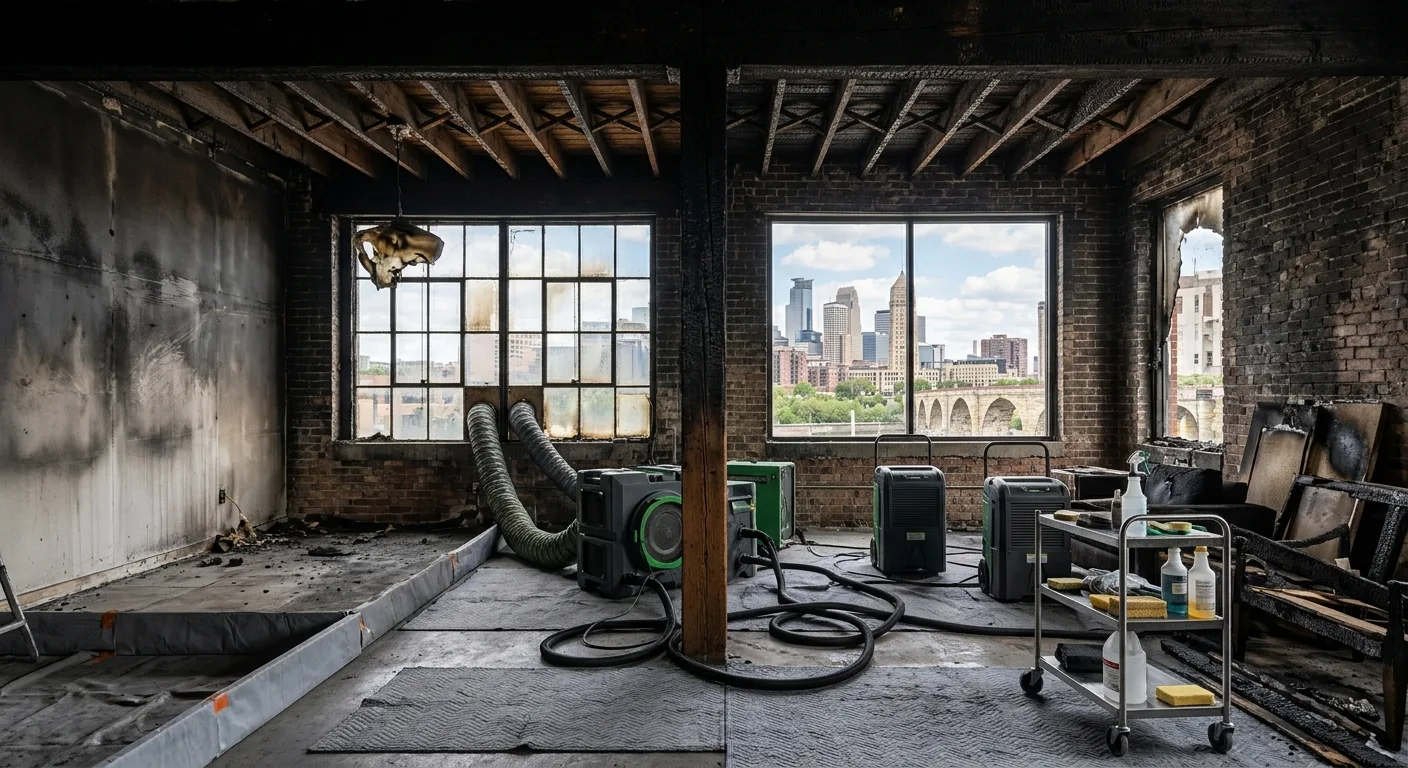
Fire damage restoration in Minneapolis is what 911 Restoration of Minneapolis has handled for over 20 years, covering everything from a contained kitchen fire in a North Loop condo to a full-structure loss in the west metro. If the fire department has released your property, call (612) 845-7822 and we'll dispatch a crew. Typical arrival is 45 minutes across the north and west metro. The first hours after a fire are when the most preventable secondary damage happens: acidic soot etches metal and glass within days, firefighting water soaks into subfloors, and a structure left open in a Minnesota winter can freeze before cleanup even starts. Getting a certified team on-site fast isn't a sales pitch. It's what limits how much of the home you lose.
The scope of a fire loss depends on what burned, how far smoke traveled through ductwork and wall cavities, and how much water the suppression effort left behind. Protein residue from a kitchen fire cleans differently from dry soot off paper or wood, and synthetic materials leave an oily film that smears and sets if handled wrong. Our FSRT (Fire and Smoke Damage Restoration Technician) and OCT (Odor Control Technician) certified crews test surfaces before touching them and build a room-by-room scope your insurance adjuster can work from. For properties that also took on water, we coordinate water damage treatment under the same job so you're not managing two contractors. Every job is different -- contact 911 Restoration of Minneapolis for an accurate estimate.
What Makes Fire Damage Harder in Minneapolis
Three local conditions that compound a fire loss before restoration crews arrive.
Heating Season Fires
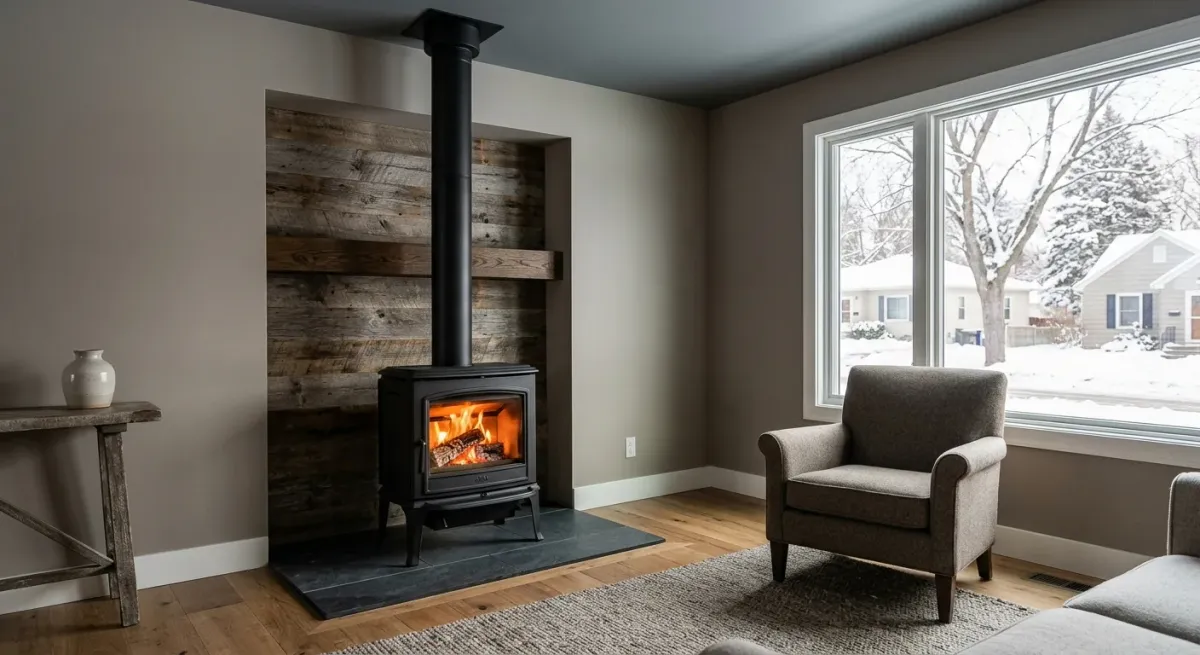
Furnaces, chimneys, fireplaces, and space heaters work hardest in a Minnesota winter. A fire that starts in a sealed house during heating season pushes smoke through ductwork and wall cavities well beyond the room where it began. We've walked properties where the attic registered heavy soot contamination from a basement furnace fire.
Smoke in Closed-Up Homes
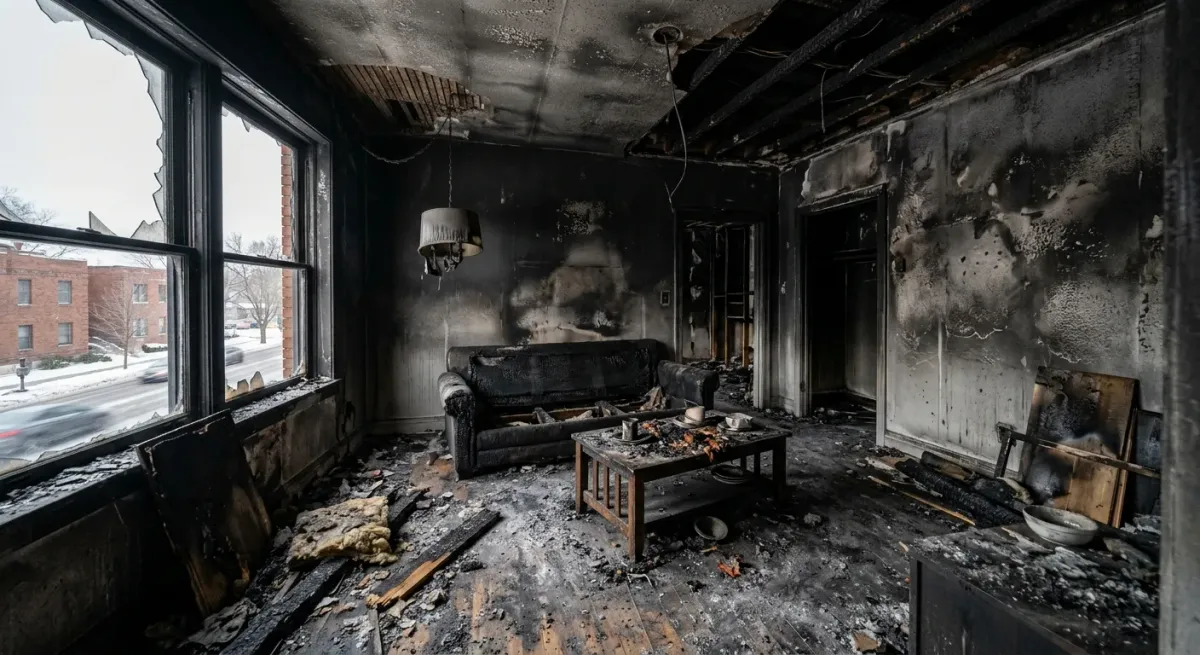
Windows stay shut for months, so smoke settles into drywall, insulation, upholstery, and clothing with nowhere to escape. Acidic soot can etch metal fixtures and window glass within 48 to 72 hours. That's why surface cleaning starts as early as the first day on site, not after the structure is dried.
Firefighting Water in Freezing Weather
Water used to extinguish a fire soaks floors and ceilings. In sub-freezing temperatures it can freeze inside wall cavities or leave the structure open to the cold. Securing the building and extracting standing water within the first hours protects what the fire didn't destroy. Our ASD-certified technicians handle structural drying alongside fire cleanup.
Freeze-Thaw Risk to Damaged Structures
A fire that compromises a roof or exterior wall leaves the building exposed to Minnesota's freeze-thaw cycles. Moisture that enters an open structure can refreeze, expand, and push apart framing that survived the fire itself. Boarding and tarping the same day isn't optional in this climate.
Our Process
How We Handle Fire Damage Restoration Step by Step
Warning Signs
Signs You Need Fire Damage Restoration and What To Do First
- Visible soot on walls, ceilings, or window sills after any fire, even a small kitchen fire
- Smoke odor that lingers in closets, carpets, or ductwork
- Wet ceilings, floors, or a flooded basement after firefighting
- Discolored grout, fixtures, or appliances
- Broken windows, doors, or roof sections that leave the house open
- A musty smell in the days after the fire, which points to hidden moisture and the start of mold growth
What We Restore After a Fire
One crew handles the full scope so nothing falls between contractors.
Structural Components
Walls, ceilings, framing, subfloors, attics, and insulation. We assess what can be cleaned and what needs to come out, and we don't guess -- we test.
Mechanical Systems
HVAC systems and ductwork carry soot to every room in the house. We clean and deodorize duct interiors before the system runs again. Running a smoke-contaminated HVAC poisons the air in every room it serves.
Contents and Belongings
Furniture, clothing, textiles, electronics, and documents. Contents that can be restored are inventoried and treated. Items beyond recovery are documented for your adjuster's contents claim. We don't throw anything away without your sign-off.
Kitchens and Cabinets
Kitchen fires generate protein residue that produces an almost invisible but acrid film on every surface nearby. Standard soot cleaning methods don't cut it. We use enzymatic treatments on protein residue and won't pass a cabinet as clean until it tests clear.
Insurance
Direct Insurance Coordination on Every Fire Loss
Why Choose Us
Certifications and Response That Back the Work
4.8 stars across 124 Google reviews. Owner Zach Dullinger on every significant job.
- FSRT certified
- Fire and Smoke Damage Restoration Technician
- OCT certified
- Odor Control Technician on every fire loss
- ASD certified
- Applied Structural Drying prevents secondary mold
- 20+ years
- Fire and smoke losses across the Twin Cities
Fire Damage Restoration: Common Questions
What does a fire restoration company do in the first 24 hours?
Can fire damage cause mold, and how do you prevent it?
What's the difference between fire remediation and restoration?
How long does fire damage restoration take?
Will my homeowner's insurance cover fire damage restoration?
Why does protein residue from a kitchen fire require different cleaning than soot from a wood fire?
Why does soot type matter for cleaning fire-damaged surfaces?
In the field
A look at our work
Call Zach's Line When the Fire Department Clears Your Property
You'll know what's happening, what comes next, and when things return to normal -- from the first call to the last day of reconstruction.
Related
Next step
Tell us about the job
Your name, your number and what needs doing. A person from 911 Restoration of Minneapolis gets back to you.
Rather talk now?(612) 845-7822