
Minneapolis Local
Reconstruction Services in Minneapolis
From documented demolition to finished rebuild, one crew handles the entire job.
Request an estimate
Tell us what you need
“We had water damage in our kitchen, and the team did an excellent job with the drying and mitigation process. …”
- 45 minTypical arrival
- IICRCCertified technicians
- 20+ yrsAcross the metro
- ClaimsInsurance paperwork handled
Minneapolis Reconstruction: What the Process Covers
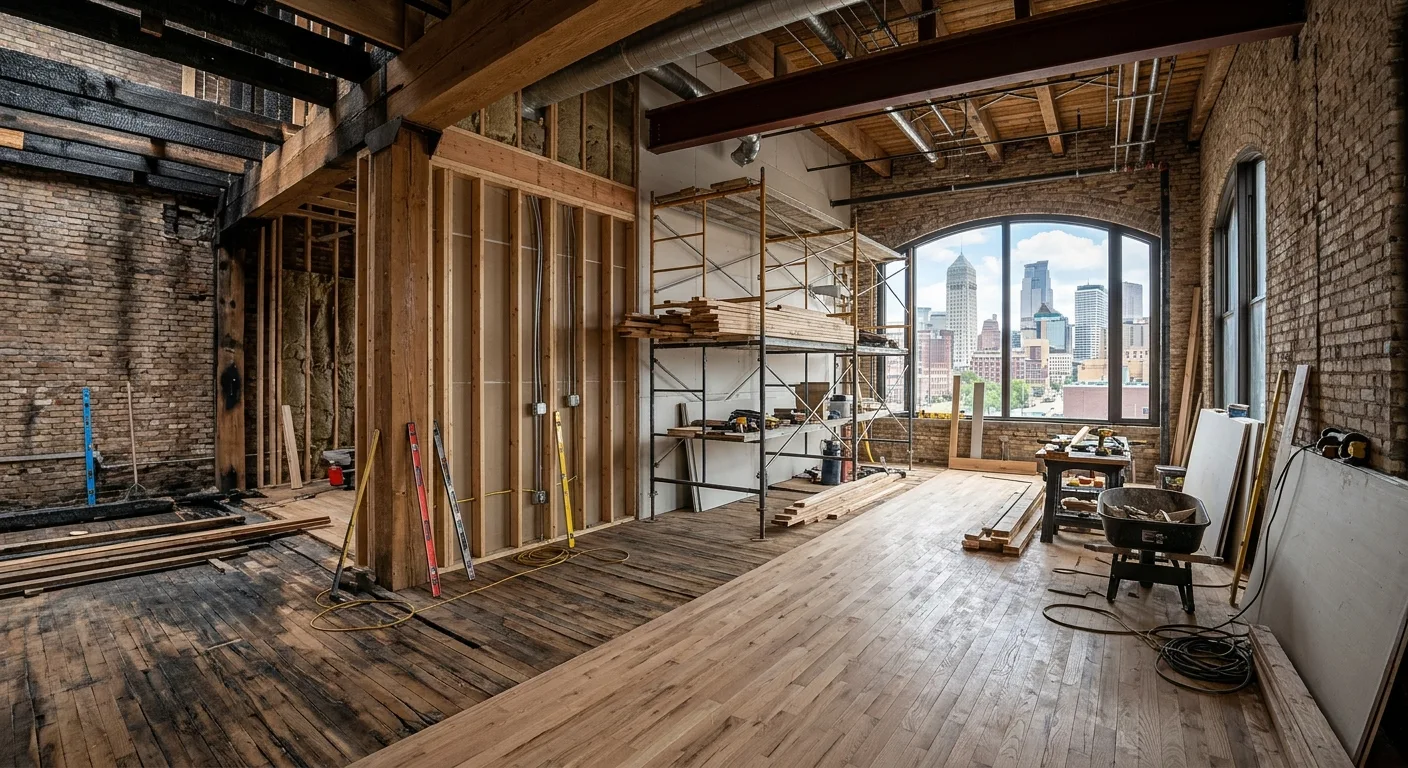
911 Restoration of Minneapolis provides reconstruction services in Minneapolis and the surrounding metro after water, fire, mold, and storm losses. When water damage or a fire forces demolition, the rebuild has to follow in the right order, with the right materials, and from an accurate scope, or you risk trapping moisture, failing inspections, or living with finishes that don't match. That's the work Zach Dullinger and his IICRC-certified crew do, and they do it as the same team that handled your mitigation, so nothing falls through the gap between cleanup and rebuild.
The scope follows the loss. A basement after a sump pump overflow or sewage backup may need only drywall, insulation, trim, and flooring once framing reads dry on a moisture meter. A fire loss may need structural framing, licensed electrical work, new roofing, full kitchen replacement, and finished surfaces throughout. We write the reconstruction scope from the documented demolition, matched to what your adjuster approved, so nothing gets missed and nothing gets invented. Upgrades beyond like-kind replacement are typically the owner's cost, so confirm finishes and coverage limits with your carrier before materials are ordered. Every job is different, contact 911 Restoration of Minneapolis at (612) 845-7822 for an accurate estimate.
Damage Types
Three Losses That Require Reconstruction
Minneapolis weather and housing stock create predictable failure points. Here's where reconstruction typically starts.
Hail and Wind Roof Damage
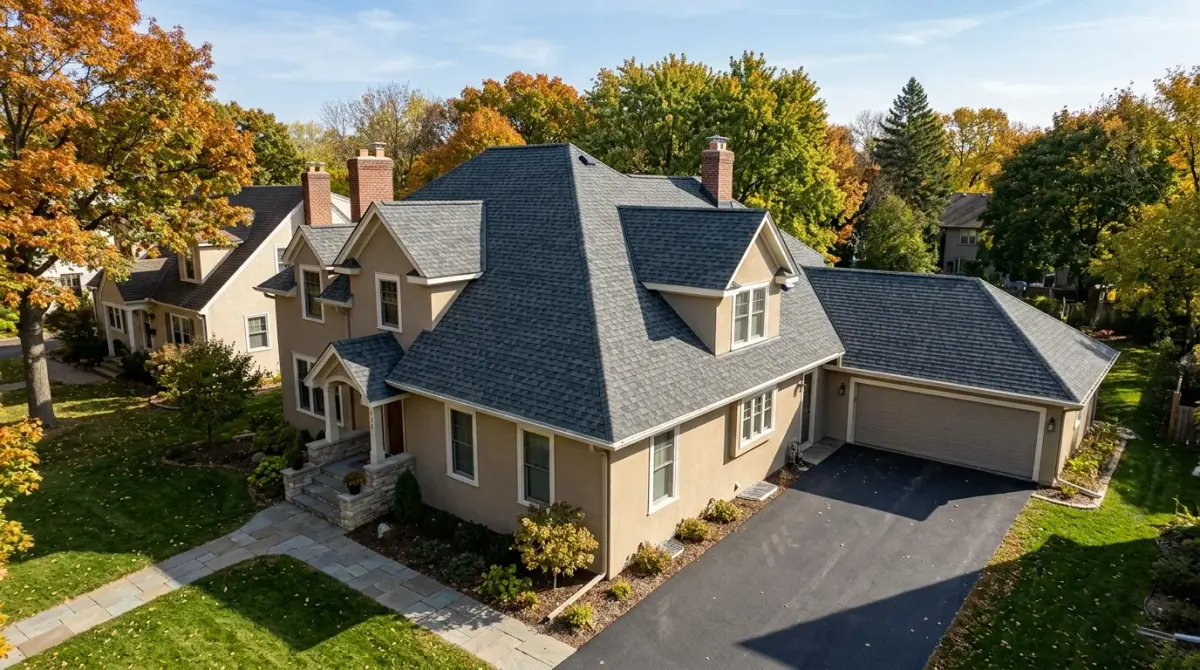
The August 5, 2019 storm damaged roofs and siding across the western, northwestern, and northeastern Twin Cities suburbs according to the Minnesota DNR. Damaged shingles, flashing, and siding let water into sheathing and insulation fast, so repairs typically reach past the visible dents. We replace sheathing, underlayment, and flashing, not just the surface layer, before storm damage becomes a moisture problem inside the wall.
Finished Basements After Water
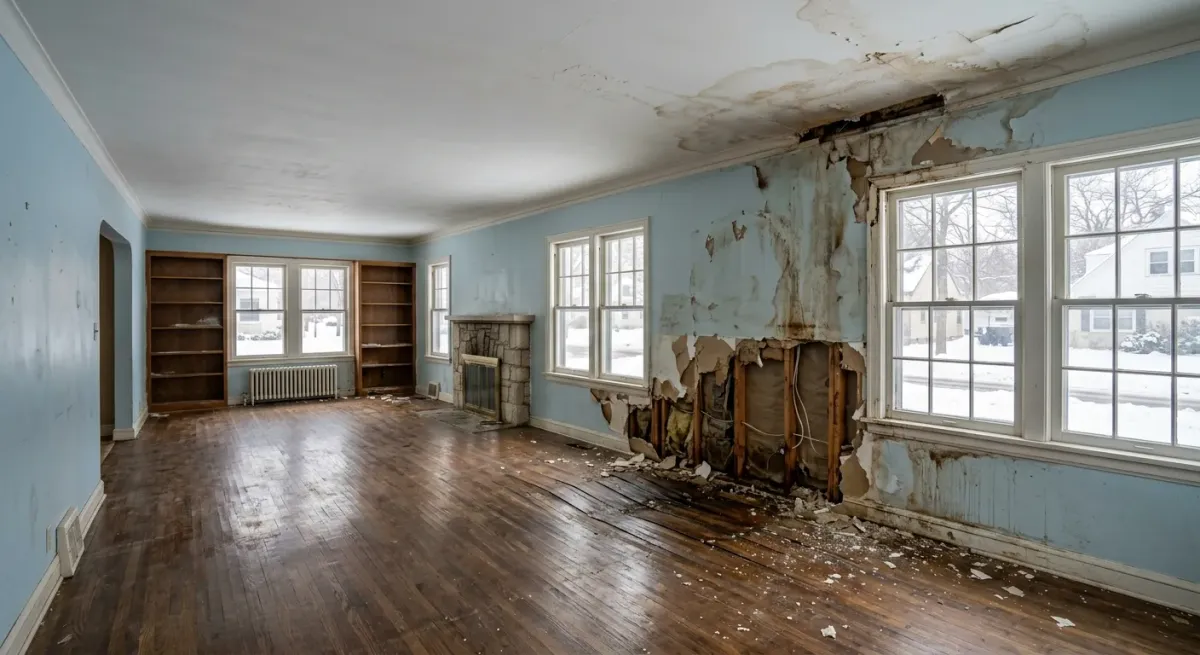
Snowmelt infiltration, sump pump failures, and sewer backups in Minneapolis-area homes routinely soak finished basements. Wet drywall, insulation, trim, and flooring get cut out once framing reads dry on the moisture meter. Rebuilding in sequence, structure first, then insulation, then drywall, then flooring, keeps moisture from being sealed behind the finishes. Homes in Eden Prairie and Coon Rapids near low-lying areas see this pattern repeatedly.
Freeze Damage Inside Walls
Deep Minnesota cold splits supply lines in exterior walls, attics, and unheated crawl spaces. Once the water is stopped and the structure dried, the opened walls, ceilings, and cabinets have to be rebuilt to match the rest of the home. Minneapolis housing stock from the 1920s through 1970s often has supply runs in exterior walls that weren't designed with today's insulation standards, which is why freeze losses in older neighborhoods tend to be more extensive than they first appear.
What We Rebuild
Every item below maps to a line on the documented cleanup scope, so the rebuild matches exactly what was removed.
Structure and Envelope
Framing, subfloors, sheathing, roofing, siding, windows, and exterior flashing. Licensed trades handle electrical, plumbing, and HVAC where required by code.
Wall and Ceiling Systems
Drywall, plaster repairs, insulation, vapor barriers, painting, and finish coats. We match existing textures where possible before a full repaint.
Flooring
Hardwood, engineered wood, tile, carpet, and luxury vinyl plank, cut back to dry framing and replaced to match the field. Hardwood in older Minneapolis homes is typically site-finished.
Interior Finishes
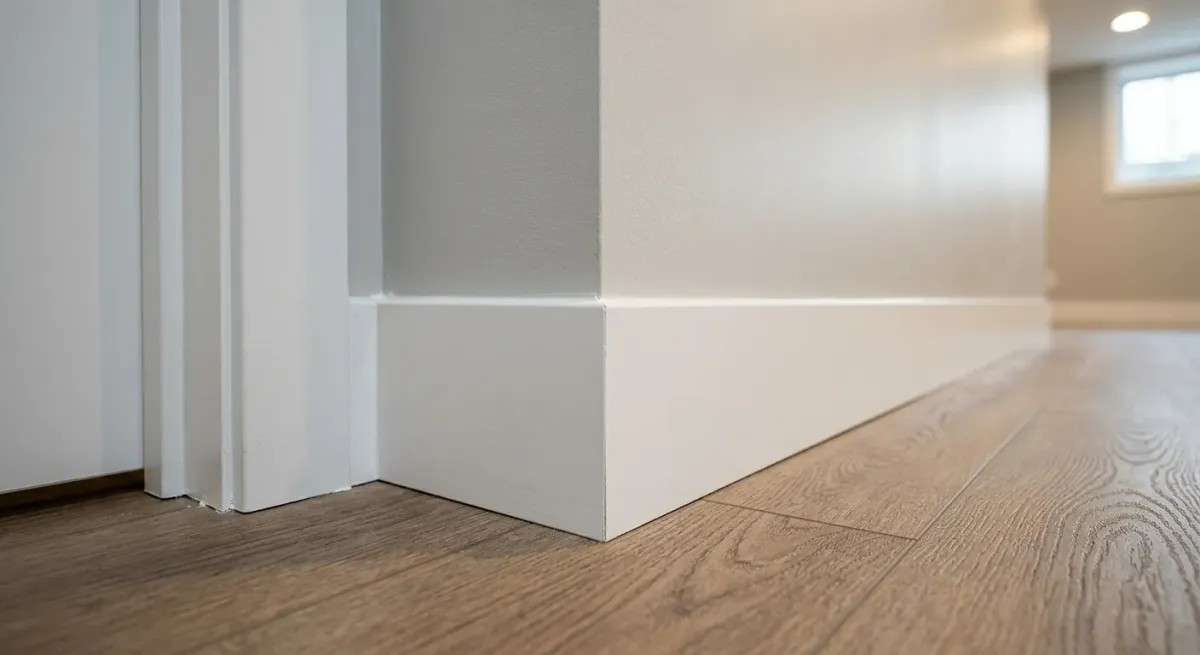
Kitchens, bathroom cabinets, trim, doors, baseboards, and finished basements. We confirm finishes with you before ordering to avoid surprises on upgrades.
Our Process
How Reconstruction Moves from Scope to Certificate
Scope and Approval
We start from the documented demolition scope, confirm with you and your adjuster which items are being replaced and which finishes you want, then pull permits where required and order materials.
Rebuild in Sequence
Framing and subfloor first, then insulation, drywall, and rough-in trades, then flooring, cabinets, trim, and paint. The order keeps moisture from being sealed in and gives inspectors the access they need.
Walkthrough and Close-Out
We walk the completed job with you, fix punch-list items, and close out permits and documentation so your adjuster and lender have a clean file.
When to Call for Reconstruction vs. Simple Repair
- Drywall, insulation, or flooring was removed during water or mold cleanup
- Fire damaged framing, roofing, or kitchens
- A finished basement was gutted after a sewer backup or flood
- Cabinets or trim swelled and separated after a leak
- Ceilings were opened to dry or to trace a roof leak
- Storm damage opened walls, roofs, or windows

Insurance
Direct Insurance Coordination on Every Rebuild
Why 911 Restoration Handles the Whole Job
4.8 stars across 124 Google reviews. IICRC-certified technicians. The same crew that mitigated does the rebuild.
- IICRC Certifications
- WRT, ASD, AMRT, FSRT, and OCT credentials on staff
- Documented Scope
- Rebuild written from the cleanup record, matched line by line to adjuster approval
- 20+ Years Local Experience
- Zach has rebuilt Minneapolis-area homes after every pattern of loss the climate produces
- Direct Insurance Coordination
- We work from your adjuster's documentation so the claim stays clean
Reconstruction Questions Minneapolis Homeowners Ask
What's the difference between restoration and reconstruction?
How do Minneapolis freeze-thaw cycles affect reconstruction material choices?
Do you handle reconstruction after fire damage, or just cleanup?
What happens during structural drying before reconstruction starts?
How does reconstruction work with an insurance claim?
Will the rebuild match my home's original materials?
What's the difference between restoration and reconstruction in an insurance claim?
How do freeze-thaw cycles in Minneapolis affect the reconstruction approach?
Do I need permits for reconstruction after water or fire damage in Minneapolis?
How long does reconstruction take after water damage in a Minneapolis home?
Can reconstruction work on older Minneapolis homes with plaster walls or original hardwood?
What should I keep after water or fire damage to help with the reconstruction claim?
In the field
A look at our work
Ready to Scope Your Rebuild? Call Zach Directly.
Keep your cleanup scope, your photos, and your moisture readings. That documentation defines what reconstruction covers. Then call (612) 845-7822 and we scope both phases together.
Related
Next step
Tell us about the job
Your name, your number and what needs doing. A person from 911 Restoration of Minneapolis gets back to you.
Rather talk now?(612) 845-7822